Chelsea Drinkard No Comments

The basics you must know about a Triple Net Lease

Triple Net Lease, also known as NNN lease, is a commercial real estate lease in which the Tenant is responsible for paying for all or some of the property’s Operating Expenses or sometimes called, Common Area Maintenance. These expenses can include property taxes, insurance, maintenance for common areas costs. In a Triple Net lease, the Tenant not only pays rent but also assumes financial responsibility for the upkeep and maintenance of the property. This type of lease is common in commercial real estate, particularly in retail and warehouse spaces and less likely to come across in office space. 

Benefits of Triple Net Leases For Landlords

Landlords can easily project their income stream, as the Tenant is responsible for the expenses associated with the property. There can be years when Real Estate Taxes and Insurance increase, those increased amounts can be passed directly to the Tenants.  Landlords can use this predictable income stream to secure financing for additional real estate investments or to reinvest in the property itself. Tenants being responsible for maintaining the property, Landlords can minimize their involvement in the day-to-day management of the property.

Disadvantages of Triple Net Leases For Landlords

If the Tenant fails to pay for expenses such as property taxes or insurance, the Landlord may have to cover those costs, leading to financial losses. Furthermore, if the Tenant is responsible for maintenance, the Landlord may not be aware of issues that arise, leading to potential property damage that could reduce the property’s value.

Benefits of Triple Net Leases For Tenants

Triple Net leases can provide more control over the property and potentially lower costs since they are responsible for maintenance and repairs by choosing which vendors to use or update themselves. Additionally, since Tenants have more control over the property’s upkeep, they can customize the space to fit their specific needs. This can be particularly advantageous for businesses with unique requirements, such as medical offices or laboratories.

Disadvantages of Triple Net Leases For Tenants

Tenants should also be aware of the potential downsides of Triple Net leases. If the property requires significant maintenance or repairs, the Tenant may be responsible for substantial expenses. Property Taxes and Insurance can fluctuate and subsequently may face higher costs if Property values or Insurance rates increase.

Triple Net leases can benefit Landlords and Tenants. Landlords can secure a stable income stream and minimize their involvement in property management, while Tenants can have more control over the property and potentially lower costs. It is essential for both parties to understand the potential downsides of triple net leases, such as financial risks and increased expenses. As with any real estate transaction, it is crucial to carefully review and negotiate the lease terms to ensure a mutually beneficial arrangement.

Chelsea Drinkard No Comments

Florida Top Population Growth


Census: Florida defies decline in population growth; nation becomes more  diverse

The Sunshine State took the top place for the first time since 1957 in terms of the nation’s highest population growth, according to estimates issued last week by the U.S. Census Bureau Florida saw the country’s most substantial growth. Its expansion revitalizes the economy and makes Florida more appealing and competitive worldwide. The third-largest state in the US had a population growth of 1.9% between July 2021 and July 2022, adding more than 400,000 people to the state’s 22.2 million total, according to Ian Hodgson of the Tampa Bay Times. According to these experts, most people moving last year were older U.S. residents nearing retirement age. 

Remote working increased during the Pandemic in 2020, creating an influx of individuals relocating to Florida to take advantage of the flexibility. We have seen the younger generation moving to Florida in recent years selling their homes in more expensive areas like New York and California. This younger generation is purchasing cheaper properties in Florida. “Cheaper” is no longer what it once was due to the competition for scarce homes brought on by out-of-state money. Comparing prices in the states where transplants are leaving (California and New York), Florida’s record-high numbers are appealing unless you are an existing Florida resident. 

Throughout 2022, South Florida had a decrease in the number of vacant commercial properties, while vacancy rates rose in cities like New York, there were 57,488 New Yorkers who relocated to Florida. It is nothing new, as New Yorkers have been moving to Florida forever. In fact, New Yorkers want to take advantage of cheap taxes, pleasant weather, and a supportive business climate. 

There are two top factors luring people in higher income brackets to Florida. The absence of personal income tax, one of the few states in the US that exempts its citizens from paying state income tax. The overall state tax burden in Florida will be far lower than the majority of states, even with paying sales and property taxes. Secondly,  lifestyle reasons with weather, sandy beaches, amusement parks and outdoor activities. Income for remote workers in these higher income brackets, can go a longer way in the State and enhance their lifestyle as a whole.

Despite the many reasons people are moving to Florida, there are also challenges associated with population growth. As more people move to the state, there is increased demand for housing, transportation, and public services. This can lead to issues such as overcrowding, traffic congestion, and strains on infrastructure.

Overall, Florida’s population growth is a complex issue with both positive and negative impacts. While it has brought new economic opportunities and lifestyle benefits, it has also created challenges related to infrastructure, the environment, and the quality of life for residents. As the state continues to grow, it will be important to carefully manage these issues to ensure that Florida remains a desirable and sustainable place to live for generations to come.


Chelsea Drinkard No Comments

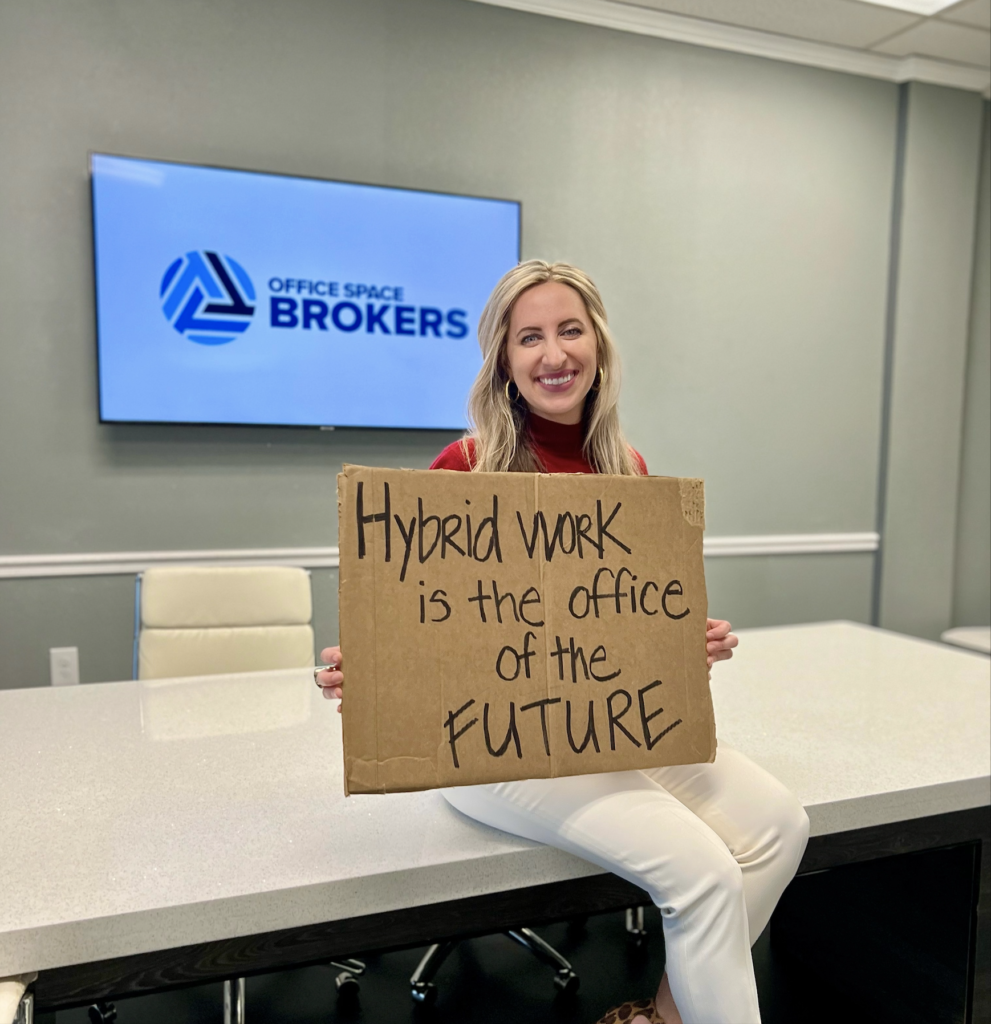
Why the Hybrid Work Model is Important 

When the whole globe went into lockdown in 2020, many of us were forced to test out alternative employment arrangements. The majority of businesses took advantage of this as a chance to review their workplace cultures. The traditional full-time office model may soon be replaced by the hybrid model, which will fundamentally alter how businesses operate and interact with their clients, workers, and suppliers. This being said there are many benefits of the hybrid work model. According to Forbes, 83% of 9,326 workers surveyed say they prefer a hybrid model, in which they can work remotely at least 25% of the time.


  • A Rise in Productivity 

With more freedom to play to their strengths, people can work more productively under a hybrid approach. Teams may achieve a solid mix of creativity and cooperation by promoting a culture that sees remote work as a beneficial option for finishing deep-focus projects in the office. Giving employees the option to work where and when they are most productive might benefit those who require quiet, alone environments to concentrate. According to PWC, new Research shows that as many companies have boosted workforce productivity and performance during the pandemic


  • More Possibilities For Lifelong Learning 

The ability for employees to engage in continual learning outside of the busyness of their typical work environment is another significant and perhaps underappreciated feature of a mixed work arrangement. This implies that if they are working from their office for a portion of the workweek, they may work from home for the remaining time on personal development goals to improve their job performance and career prospects. Especially for those with long commutes, removing the community to and from the office can free up time for personal development and hobbies which would positively impact work performance. 


  • Improved Relationships & Collaboration 

Unlike remote work, hybrid work allows for face-to-face contact and cooperation, which promotes healthy team-building and, as a result, improves employee collaboration. Employees will be able to interact and build deeper working connections as a result of being given the opportunity to speak and socialize in person. This will also enhance departmental, team, and workgroup collaboration. This mainly can be true in our present environment, where many employees communicate and collaborate with their coworkers via screens rather than in person. Every face-to-face communication, which might only take place during scheduled meetings when working remotely, might create a chance for mentoring, knowledge sharing, or making crucial business connections.


Chelsea Drinkard No Comments

General Liability and Content Insurance When Leasing Office Space

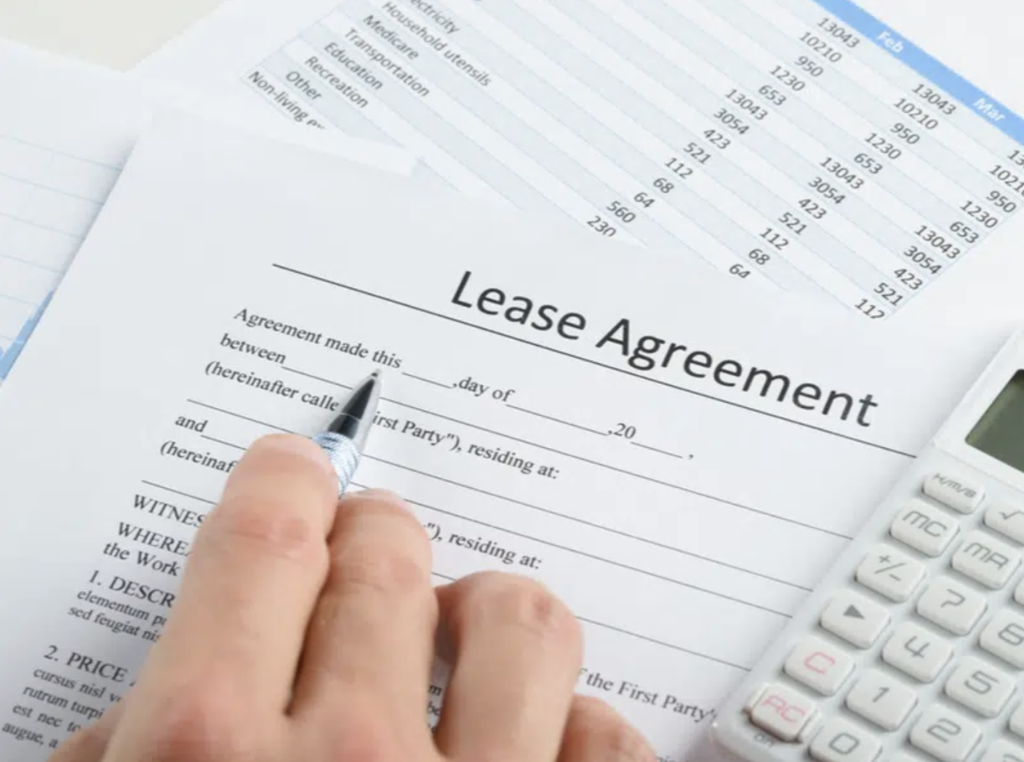
Closeup of a man's hand signing a document.

Landlords do maintain building insurance but will require Tenants who are leasing office space to have General Liability and Content Insurance with a particular dollar amount of coverage in a policy including but not limited to an umbrella and per occurrence. Even just across the Tampa Bay office space market, Landlords can require a vehicle [whether the company owns the vehicles or not] and fire insurance, let’s focus on the most common which is General Liability and Content Insurance. 


What Is the Definition of General Liability Insurance? 

  • General liability insurance can assist cover medical bills and attorney fees incurred as a consequence of physical injuries and property damage for which your firm may be held legally liable. In most cases, General Liability Insurance plans will protect both you and your business from claims involving personal harm and property damage originating from your activities, services, or goods. It may also protect you if you are held accountable for your landlord’s property damage.


  • By paying for legal fees, financial losses, or settlements up to the policy’s maximum for covered claims, general liability insurance protects the assets of your company. Despite your best efforts, accidents might nevertheless occur in the course of business. For example, a client stumbles on a damp floor and is wounded. Your product fails and causes harm to a customer’s property. Your commercial is allegedly violating the copyright of a rival. These are just a few of the mishaps that might lead to claims and lawsuits against your company. 


General Liability Policies often include: 

  • Premises liability insurance protects you against the costs of injuries that occur on your company’s premises.  
  • Product liability insurance protects you from the consequences of property damage and personal injury.
  • Injury brought on by your services or products to individuals. 
  • Coverage for personal and advertising harm liability provides a defense against the costs associated with problems that result from your work, such as defamation, libel, unlawful eviction, copyright infringement, and more.


What Is Content Insurance?

Business contents insurance allows organizations to replace or repair their items if they are destroyed. However, most insurance plans refer to it as personal property coverage. If your personal things are stolen or destroyed by a covered risk, such as a fire, contents insurance can help pay to replace or restore them. Office contents and equipment insurance is essential for every business, protecting computers, laptops, or more advanced gear, papers, and cash which content insurance covers.

During the negotiation process of your lease, you will want to send the insurance requirements you receive from your Landlord to your insurance agent who can provide the necessary Certificate of Insurance or COI. COI’s are required to be submitted to the Landlord prior to a Tenant’s occupancy.


Chelsea Drinkard No Comments

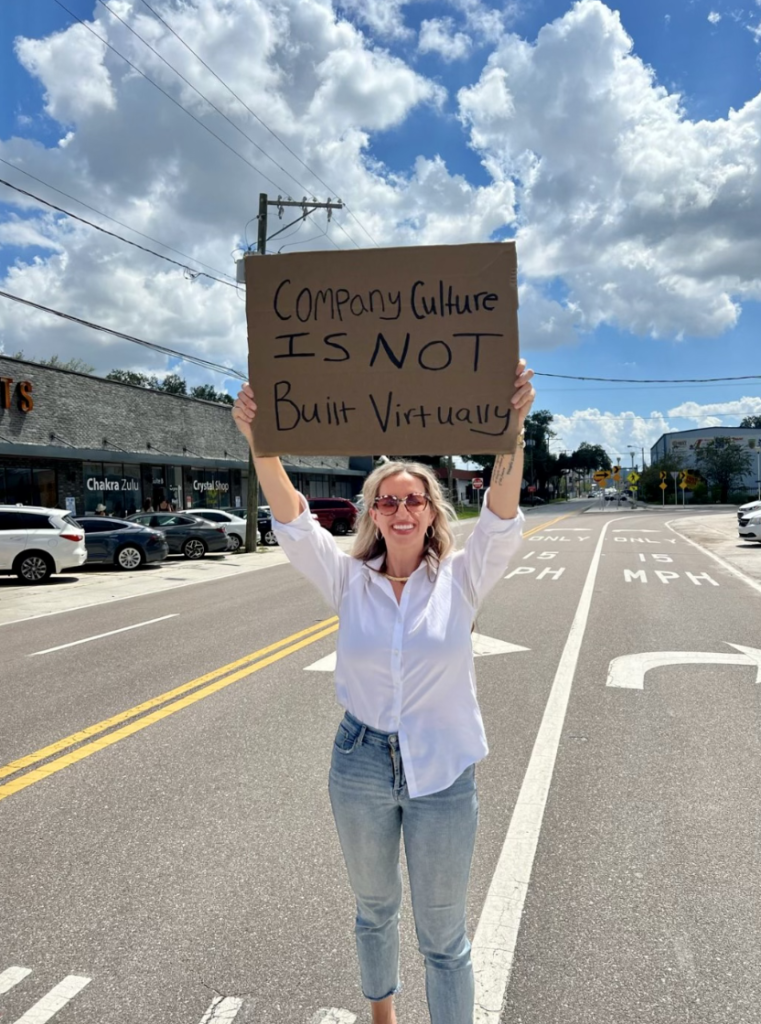
Company Culture is Not Built Virtually

Company culture is not built virtually

I believe there will be long-term impacts on company culture, especially for the younger generation moving into the workforce. The newer generations are now becoming the majority in the workplace. Even if it has been some time, can you still recall running into coworkers in the corridor and catching up with them about weekend plans or a significant project you were working on? Do you have any memories of being in the right location at the right moment, providing a person with the knowledge they were lacking, or inviting a colleague to a lunch meeting or event they could benefit from? Like many others, you might not have appreciated the significance of these discussions until you started working from home. Over 50 studies have been conducted this year by Microsoft teams to investigate how the nature of work has evolved since early 2020. This endeavor includes a study of billions of productivity signals such as emails, meetings, chats, and postings across Microsoft and LinkedIn’s user bases. Additionally, a poll of over 30,000 persons who were located in 31 different nations is included. Basically,  this study found that employees feel more connected to their colleagues in the office and completely disconnected when working virtually. 


  • Difficulty in Building Genuine Relationships with Colleagues

Collaboration, creative problem-solving, mentorship, and team morale is more challenging when each requires a Microsoft Teams or Zoom invite to do so. According to a study done by Stanford 67% of workers are distracted during virtual meetings. · 47% of people prefer in-person meetings.


  • Frequent Interruptions and Unsupervised Performance 

Self-regulation and focus can be difficult for most without having the accountability of your team around you like in an office. 55% of workers admit to checking their email during virtual meetings according to a study done by Standford. 


  • Lack of Motivation When There’s No Comradery

When you are surrounded by people who share the same vision and purpose it is the comradery that keeps each of us motivated and feeling supported when you are having an off day or dealing with a difficult project/situation.